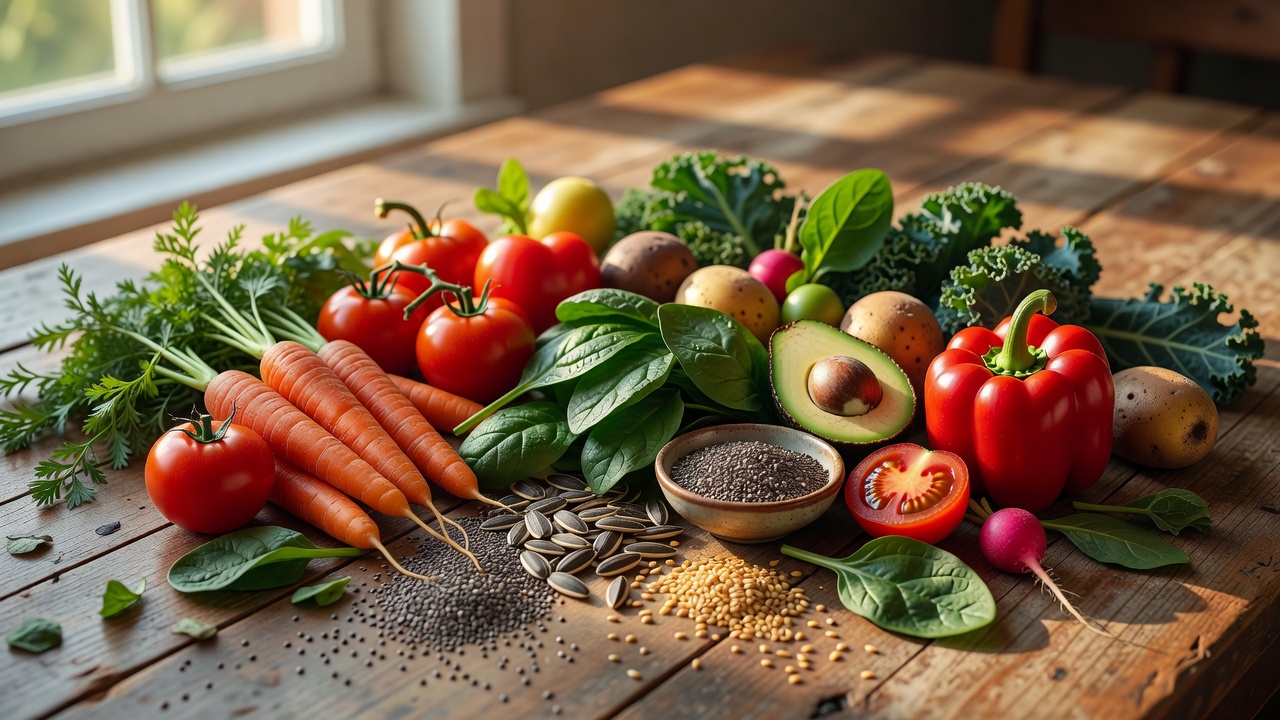
In human gut microbiome research, few findings have gained as much clinical validation as the direct relationship between dietary plant diversity and bacterial gene richness. Data from the American Gut Project, which evaluated thousands of stool samples across diverse populations, demonstrated that individuals who consume more than 30 unique botanical foods per week harbor significantly more diverse microbial communities than those consuming fewer than 10.
Why Botanical Variation Triggers Cross-Feeding Networks
Each plant family contains a distinct chemical matrix composed of soluble fibers (pectins, mucilages, beta-glucans), insoluble structures (cellulose, hemicellulose, lignin), and complex polyphenols. Specialized gut bacteria possess specific carbohydrate-active enzymes (CAZymes) required to cleave particular polysaccharide bonds.
When you consume a broad spectrum of plants, you provide metabolic substrates for distinct bacterial taxa, including:
- Akkermansia muciniphila: Stimulated by polyphenol-rich berries, pomegranates, and green tea catechins.
- Faecalibacterium prausnitzii: Thrives on fermentable fructans and resistant starches found in legumes and cooked tubers.
- Bifidobacterium species: Highly specialized in utilizing human milk oligosaccharides and plant galactooligosaccharides (GOS).
Impact on Metabolic Homeostasis & Mucosal Barriers
A diverse colonic microflora ensures robust production of Short-Chain Fatty Acids (SCFAs), particularly Acetate, Propionate, and Butyrate. Butyrate acts as the primary fuel source for colonocytes, stimulating tight-junction proteins (Claudin-1 and Occludin) that maintain intestinal barrier integrity and prevent bacterial lipopolysaccharide (LPS) translocation into systemic circulation.
Practical Steps to Achieve 30 Plants Per Week
Reaching 30 plants does not require eating massive volumes of food. Rather, it relies on combining diverse micro-inputs:
- Mix seeds (chia, flax, pumpkin, sesame) into morning oatmeal or yogurt.
- Use multi-legume soups featuring red lentils, black beans, and chickpeas.
- Rotate dark leafy greens (kale, arugula, Swiss chard, watercress).
- Incorporate fresh herbs (parsley, cilantro, oregano) into daily meals.